
Maximizing Winter Efficiency with Mavic 3T Thermal Imaging in the Adirondacks
Updated: Feb 3
Why Thermal Scans Matter in Adirondack Winters
Winter conditions in the Adirondacks create a perfect storm for hidden building problems. Snow and ice cover roofs and walls, making visual inspections difficult and sometimes dangerous. Yet, these months are critical for identifying:
Heat escaping through poorly insulated areas
Ice dams forming on roofs that can cause leaks
Moisture intrusion behind walls or under roofs
Structural weaknesses hidden by snow cover
Thermal imaging detects temperature differences on surfaces, highlighting heat loss or moisture presence invisible to the naked eye. This technology helps contractors and inspectors pinpoint issues without invasive methods or climbing on icy roofs.
Features of the Mavic 3T That Make It Ideal for Winter Thermal Scans
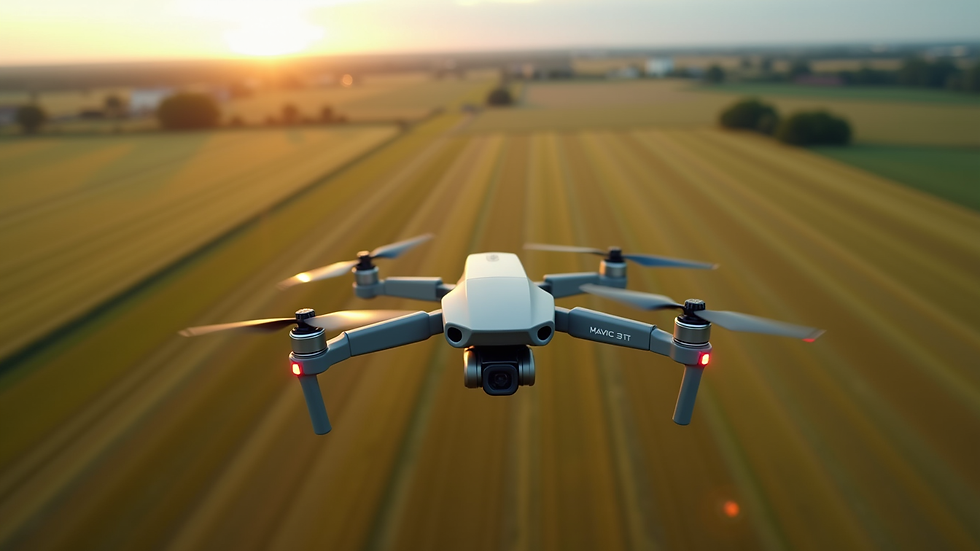
The Mavic 3T stands out among drones for its thermal imaging capabilities tailored to professional use:
Dual sensors: It combines a high-resolution RGB camera with a thermal sensor, allowing simultaneous visual and heat mapping.
Radiometric thermal imaging: This feature captures precise temperature data for every pixel, enabling accurate analysis of heat patterns.
Compact and agile: The drone’s size and flight stability allow it to navigate tight spaces and fly safely in cold, windy conditions common in the Adirondacks.
Long flight time: Up to 45 minutes per battery lets operators cover large areas in one session, reducing downtime.
Real-time data transmission: Operators can view thermal images live, making immediate decisions on-site.
These features make the Mavic 3T a reliable tool for winter inspections, reducing risks and improving the quality of data collected.
Practical Applications for Construction Businesses
Construction projects in the Adirondacks face delays and cost overruns if winter damage goes unnoticed. The Mavic 3T helps contractors by:
Detecting insulation gaps: Thermal scans reveal where heat escapes, guiding improvements before winter fully sets in.
Monitoring roof integrity: Identifying ice dams or weak spots early prevents leaks and structural damage.
Checking HVAC performance: Thermal imaging shows if heating systems distribute warmth evenly or if repairs are needed.
Documenting progress: Contractors can create thermal reports to prove work quality and compliance with energy codes.
For example, a local builder used the Mavic 3T to scan a new home under construction in late fall. The thermal images revealed an uninsulated section in the attic that would have caused significant heat loss. Fixing this before winter saved the client hundreds in heating bills and avoided future repairs.
Benefits for Home Inspectors in the Adirondacks
Homeowners face unique challenges maintaining older Adirondack homes during winter. Thermal scans with the Mavic 3T provide inspectors with:
Non-invasive roof inspections: Avoid dangerous climbs on icy roofs while still detecting leaks or heat loss.
Identifying moisture problems: Thermal imaging spots areas where water may be seeping in behind walls or under siding.
Energy efficiency audits: Inspectors can recommend targeted insulation upgrades based on thermal data.
Winter-ready reports: Detailed thermal images help homeowners prioritize repairs before freezing temperatures cause more damage.
A home inspector in the region reported that using the Mavic 3T cut inspection times in half while providing clients with clearer evidence of issues. This transparency builds trust and helps homeowners make informed decisions.
How CADi Services Uses the Mavic 3T to Support Adirondack Clients
At CADi Services, we specialize in drone imaging tailored to the needs of Adirondack construction and home inspection businesses. Our Mavic 3T thermal scans provide:
Detailed thermal maps showing heat loss and moisture intrusion
High-resolution visual images for context and documentation
Fast turnaround on reports to keep projects on schedule
Safe inspections that avoid climbing hazards in winter conditions
We work closely with clients to customize scans based on their specific needs, whether it’s a commercial construction site or a private home. Our goal is to help Adirondack businesses reduce winter risks and improve building performance.
Tips for Getting the Most from Thermal Drone Inspections
To maximize the value of thermal scans with the Mavic 3T, consider these best practices:
Choose the right time: Early morning or late evening when temperature differences are most pronounced.
Plan flight paths carefully: Cover all critical areas including roofs, walls, and HVAC units.
Use radiometric data: Analyze temperature values, not just images, for precise diagnostics.
Combine with visual inspection: Use RGB images alongside thermal to identify exact problem spots.
Schedule regular scans: Seasonal checks help track changes and catch new issues early.
Following these steps ensures inspections are thorough and actionable.
Challenges and How to Overcome Them
Winter drone inspections in the Adirondacks come with challenges:
Cold weather impacts battery life: Carry extra batteries and keep them warm before flights.
Snow and ice can obscure thermal readings: Clear snow if possible or schedule scans after light snowfall.
Wind affects drone stability: Fly during calm weather windows for best image quality.
Regulatory compliance: Ensure all FAA rules and local regulations are followed for safe drone operation.
Being prepared for these factors helps maintain consistent, high-quality results.
The Future of Thermal Drone Inspections in the Adirondacks
As drone technology advances, thermal imaging will become even more accessible and detailed. For Adirondack construction and home inspection businesses, this means:
Faster, safer winter inspections
More accurate energy efficiency assessments
Better documentation for insurance and compliance
Reduced costs from early problem detection
Investing in tools like the Mavic 3T today positions businesses to meet growing demand for reliable winter building assessments.
Conclusion
In conclusion, the Mavic 3T drone is a game-changer for businesses in the Adirondacks. Its advanced thermal imaging capabilities provide invaluable insights into building performance during harsh winter months. By leveraging this technology, we can make smarter decisions that enhance efficiency and safety. Embracing these innovations will undoubtedly lead to better outcomes for construction and home inspection projects in our beautiful region.
For more information on how to integrate advanced drone imaging into your operations, feel free to reach out. Together, we can navigate the unique challenges of winter in the Adirondacks with confidence and precision.
The Importance of Advanced Drone Imaging
In today's fast-paced world, businesses need to adapt. Advanced drone imaging is not just a luxury; it's a necessity. With the Mavic 3T, we can provide insights that were once impossible to obtain. This technology allows us to gather data efficiently and accurately. It empowers us to make informed decisions that can save time and money.
Enhancing Safety and Efficiency
Safety is paramount in any industry. The Mavic 3T allows us to conduct inspections without putting personnel at risk. By avoiding dangerous climbs and harsh weather conditions, we can ensure that our teams remain safe while still delivering high-quality results. This efficiency translates into cost savings and improved project timelines.
Building Trust with Clients
Transparency is key in any business relationship. By providing detailed thermal scans and reports, we build trust with our clients. They can see the data and understand the condition of their properties. This level of transparency fosters long-term relationships and repeat business.
Conclusion
In summary, the integration of advanced drone imaging, particularly with the Mavic 3T, is revolutionizing how we approach inspections and assessments in the Adirondacks. By prioritizing safety, efficiency, and transparency, we can meet the demands of our clients while navigating the unique challenges of winter. Embracing this technology positions us as leaders in the industry, ready to tackle whatever comes our way.
For more information on how to integrate advanced drone imaging into your operations, feel free to reach out. Together, we can navigate the unique challenges of winter in the Adirondacks with confidence and precision.


Comments