
The Benefits of Using the Mavic 3T for Solar Panel Inspection
Updated: Aug 19
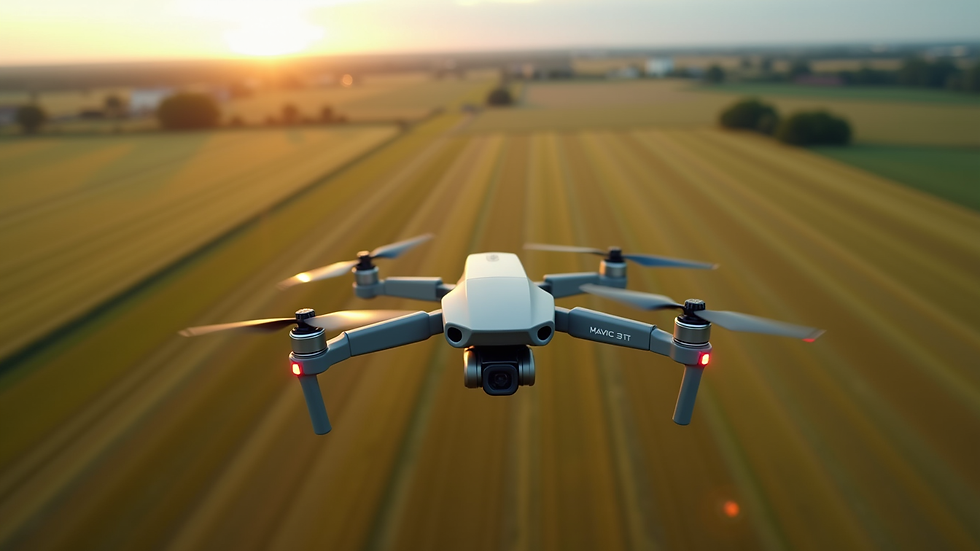
The Mavic 3T is equipped with a thermal infrared camera that detects heat differences across solar panels. Damaged or malfunctioning panels often generate excess heat due to electrical faults or shading issues. Infrared imaging highlights these temperature variations, making it easier to spot panels that need repair or replacement.
How the Mavic 3T Uses Infrared Imaging for Solar Panel Inspection
Thermal camera detects hotspots: Panels with cracks, broken cells, or faulty connections show up as bright spots in infrared images.
Non-invasive scanning: The drone flies above the solar farm without physical contact, avoiding any risk of damage.
Real-time data collection: Operators can view thermal images during flight to identify issues immediately.
This method is much faster than manual inspections, which require technicians to check panels one by one. The Mavic 3T covers large areas quickly while providing detailed thermal maps.
Steps to Conduct a Solar Panel Inspection with the Mavic 3T
Using the Mavic 3T for drone inspections involves a few straightforward steps that solar farm operators can follow:
Plan the flight path
Use mapping software to create a flight plan covering the entire solar farm. Set the drone to fly at an altitude that balances image resolution and coverage area.
Prepare the drone and equipment
Ensure the Mavic 3T’s batteries are fully charged and the thermal camera is calibrated. Check weather conditions to avoid wind or rain that could affect flight stability.
Conduct the flight and capture images
Launch the drone and monitor its progress. The thermal camera captures infrared images of the solar panels, highlighting any hotspots or anomalies.
Analyze the thermal images
After the flight, review the infrared images to identify damaged panels. Use software tools to map the exact location of each issue for easy reference.
Schedule maintenance based on findings
Prioritize repairs for panels showing significant heat anomalies. This targeted approach saves time and resources compared to inspecting every panel manually.
Benefits of Using the Mavic 3T for Solar Panel Inspection
The Mavic 3T offers several advantages that make it a valuable tool for solar farm maintenance teams:
Speed and efficiency
The drone can scan hundreds of panels in a single flight, reducing inspection time from days to hours.
High precision
Infrared imaging detects even small temperature differences, allowing early detection of faults before they cause major failures.
Cost savings
Faster inspections and targeted repairs reduce labor costs and minimize energy loss from malfunctioning panels.
Safety
Drone inspections eliminate the need for technicians to climb on panels or navigate difficult terrain.
Data documentation
Thermal images provide a record of panel conditions over time, useful for tracking performance and warranty claims.

Practical Example: Detecting Faulty Panels in a 50-Acre Solar Farm
Consider a 50-acre solar farm with over 10,000 panels. Traditional manual inspection could take several days with multiple technicians. Using the Mavic 3T, the entire farm can be scanned in a few hours. The infrared images reveal clusters of panels with hotspots caused by cracked cells and loose wiring.
Maintenance teams use the drone data to focus repairs on these clusters, restoring optimal performance quickly. This approach prevents energy loss and extends the lifespan of the solar array.
Tips for Maximizing the Effectiveness of Drone Inspections
Fly during optimal conditions
Conduct inspections on clear, sunny days when solar panels are under load. This increases temperature differences and improves infrared detection.
Regular inspection schedule
Perform drone inspections quarterly or after severe weather events to catch issues early.
Integrate with other monitoring tools
Combine drone data with electrical performance monitoring for a comprehensive view of solar farm health.
Train operators thoroughly
Skilled drone pilots and image analysts ensure accurate data collection and interpretation.
Using the Mavic 3T for solar panel inspection helps energy suppliers maintain high efficiency and reduce downtime. Its infrared imaging capabilities provide a clear, fast way to detect damaged panels across large solar farms.
Solar farm operators looking to improve maintenance workflows should consider integrating drone inspections with the Mavic 3T. This technology offers a practical, cost-effective solution to keep solar panels performing at their best.
By leveraging advanced drone imaging, operators can make smarter decisions, ensuring their solar farms remain productive and efficient.


Comments